


As sales slow and sentiment sours, developers are sitting tight on finished stock rather than slashing prices, and specialist lenders are backing them. When the cranes come down and the apartments are complete, the hardest part of a development can be just beginning. Buyers have been sidelined by policy uncertainty and rising interest rates, and selling out takes longer than it used to. Increasingly, the residual stock loan is what buys developers time and avoids a fire sale.
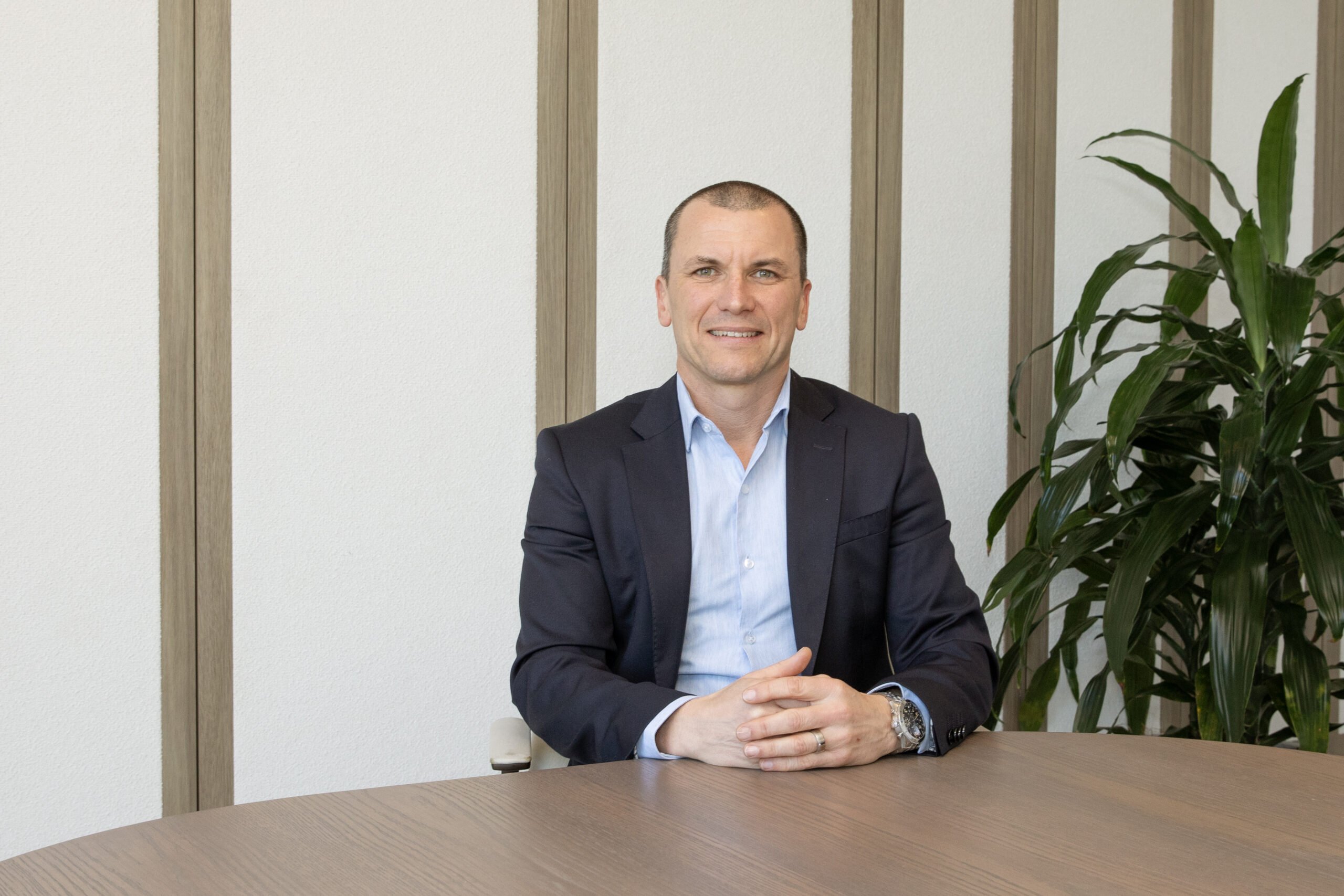
Pallas Capital group executive of origination Jason Arnold says the structure has moved from niche to necessity.
“We know it takes a bit longer to sell these days, so we might provide a 12 to 18 month residual stock loan to allow the developer to not panic sell,” he says.
“They still need to market and get some sales away, but they just don’t need to panic.”
The aim is to let developers “sell methodically” without heavily discounting. But the lender still needs to be sure of its exit. “As a lender, you have to make sure that you have the confidence that you are going to get the money back in the time frame required.”
A product for a tougher market
The loan is typically used as the construction facility winds up. The lender refinances the project into a cheaper, longer facility sized to the stock that remains, so a completed project is not left dragging on construction finance.
Demand is broad. “I think all markets [are languishing] at the moment,” Arnold says.
Sales are slowing beyond Victoria, including Perth and Brisbane. He points to a lack of confidence driven by rising interest rates and changes to negative gearing and capital gains tax. “There’s really alack of incentive to purchase,” he says.
How the numbers work
A typical residual facility might sit at 65 to 70 per cent of value, Arnold says. With 20 to 30 per cent of stock already sold, that can fall to 50 or 60 per cent. The loan can then be sized to cover 12 months of interest and fees, so the developer isn’t funding cash flow month to month. Lenders have also tightened.
About 16 weeks ago, Arnold says, Pallas took a more conservative view and is now at least 5 per cent lower overall. Where it might once have modelled sales to hold only nine months of interest, it is “more and more” holding a full 12.
“We are being more conservative on a lot of things.” The sums are simple. “If you don’t get any sales and you’re at 70 per cent now and the market comes off 10 per cent, it’s very easy for you to be at 80 per cent in 12 months.”
“In this market, we’re probably … more inclined to take 100 per cent of the sale proceeds on every sale unless there’s a compelling reason,” he says.
Underwriting the sell-through
Pallas is underwriting the sales campaign as much as the asset. Arnold says that means a granular view of sales velocity, monthly sales benchmarks, an understanding of the buyer profile, and a study of absorption rates for like-for-like projects nearby. Monitoring continues throughout the loan, according to Arnold. Pallas reviews stock lines monthly to check the campaign is on track, and expects borrowers to adjust pricing if targets are missed.
“That’s really important,” Arnold says.
The exit is also flexible. Residual loans have historically run for 12 months, but terms are now stretching to 18 months.
It would be rare to go a year without sales, Arnold says, and a handful of settlements can take the loan to around 50 per cent. The developer can then roll the facility again or hand it to another lender. Pallas also expects them to be willing to “make that hard decision” to trigger sales when needed.
The sponsor’s balance sheet matters as much as the stock, Pallas reviews it “pretty extensively” to confirm they can extend the loan themselves if the campaign drags.
The appeal of completed stock
For the lender, a finished product is the easiest to judge. “It’s much easier to sell a fully completed apartment that people can touch and feel,” Arnold says, particularly for downsizers.
The facility also helps developers who are stock-rich but capital poor. Arnold says a developer with 30 apartments sold and 15 left may hold “lazy capital” in unsold units while the next project waits. Where Pallas knows the developer well, it may provide a residual loan with a meaningful cash-out so they can “move on”.
Some of the work comes from outside Pallas’s own construction book. Banks and larger non-bank lenders on $50 million-plus projects often don’t want a $5 million, $10 million or $15 million tail, which is “just not big enough for them to get out of bed”.
Where pre-sales have settled and there are no issues with the stock, Pallas may take that smaller ticket on. While Arnold says the incumbent lender “normally has the advantage”, banks are not stepping into residual stock lending.
The capital behind it
The product is backed by institutional money, not high-net-worth funding. Arnold says the high-net-worth model doesn’t suit the risk. Residual stock is a small slice of Pallas’s loan book at “just under 10 per cent”. About 40 per cent is in construction, around 20 per cent in investment, and 25 to 30 per cent in pre-development and residual combined.
Pallas sets limits, he says, and wouldn’t ramp up residual lendingwithout seeing sales on existing facilities to ensure diversity ofexposure.
Flight to quality
Funding has become more selective in the current climate. Arnold points to scrutiny of private credit in the past six months and the freezing of funds by large institutions, which “decreases liquidity in the marketplace”. Pallas has no exposure to the Bathla-related products, he says, and still has decent liquidity, but now monitors it weekly.
“It’s a flight to quality without question,” he says. Gated funds, heads, are experienced players that have acted “for safety and for security”. “[We are] not doing deals for the sake of doing deals”, he says.
Looking ahead
Arnold says sentiment needs a few things to turn: a sense the market has hit bottom, an end to the “frightening thought” of continued rate rises, and less policy change at once. Rolling out negative gearing, capital gains tax and SMSF changes together has, in his view, “decimated” confidence.
He remains optimistic about fundamentals. “Experienced sponsors still achieve great results no matter what,” he says, adding that the country remains under-supplied.
“Once the market thinks that we’re at the bottom, then things willpick up.”