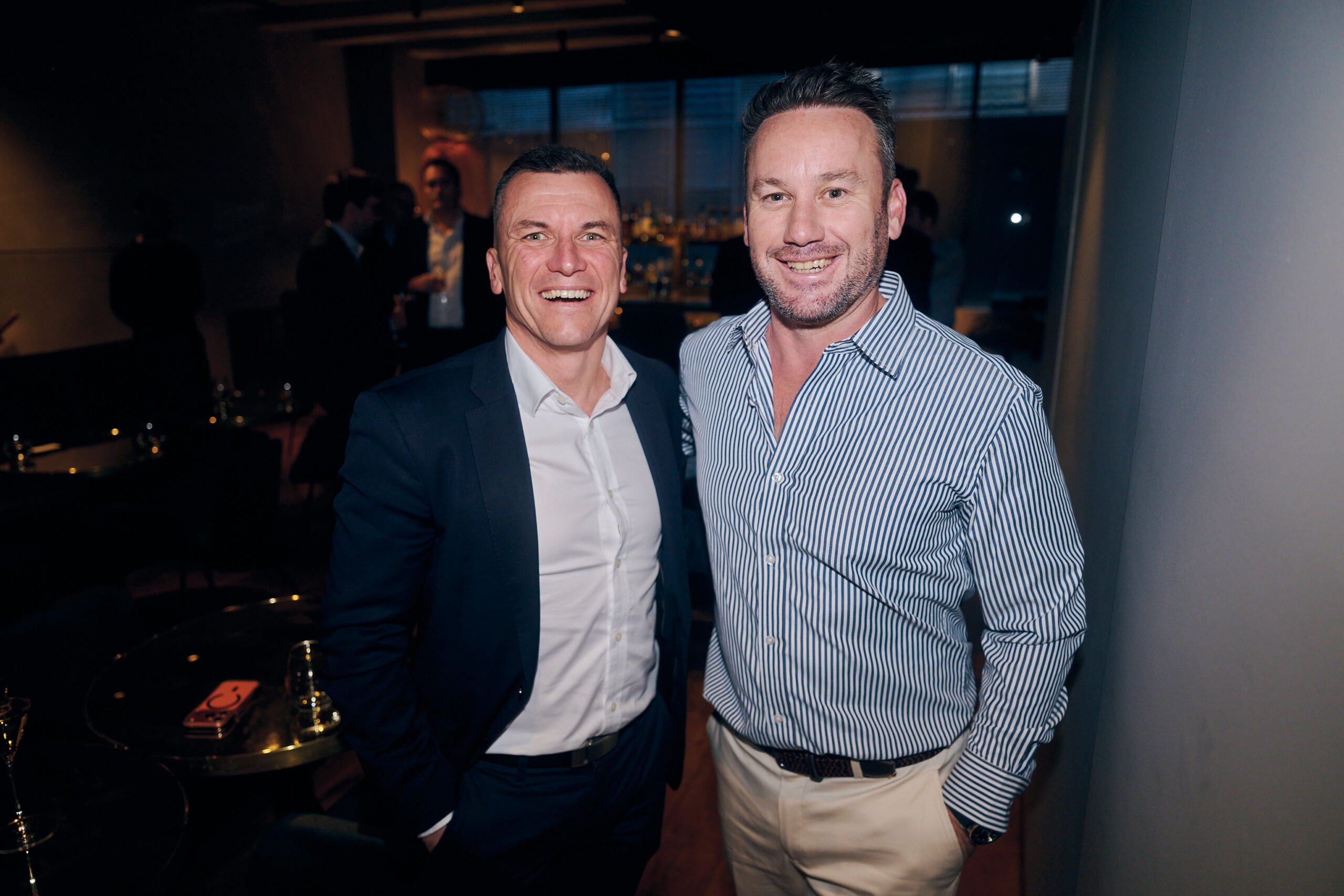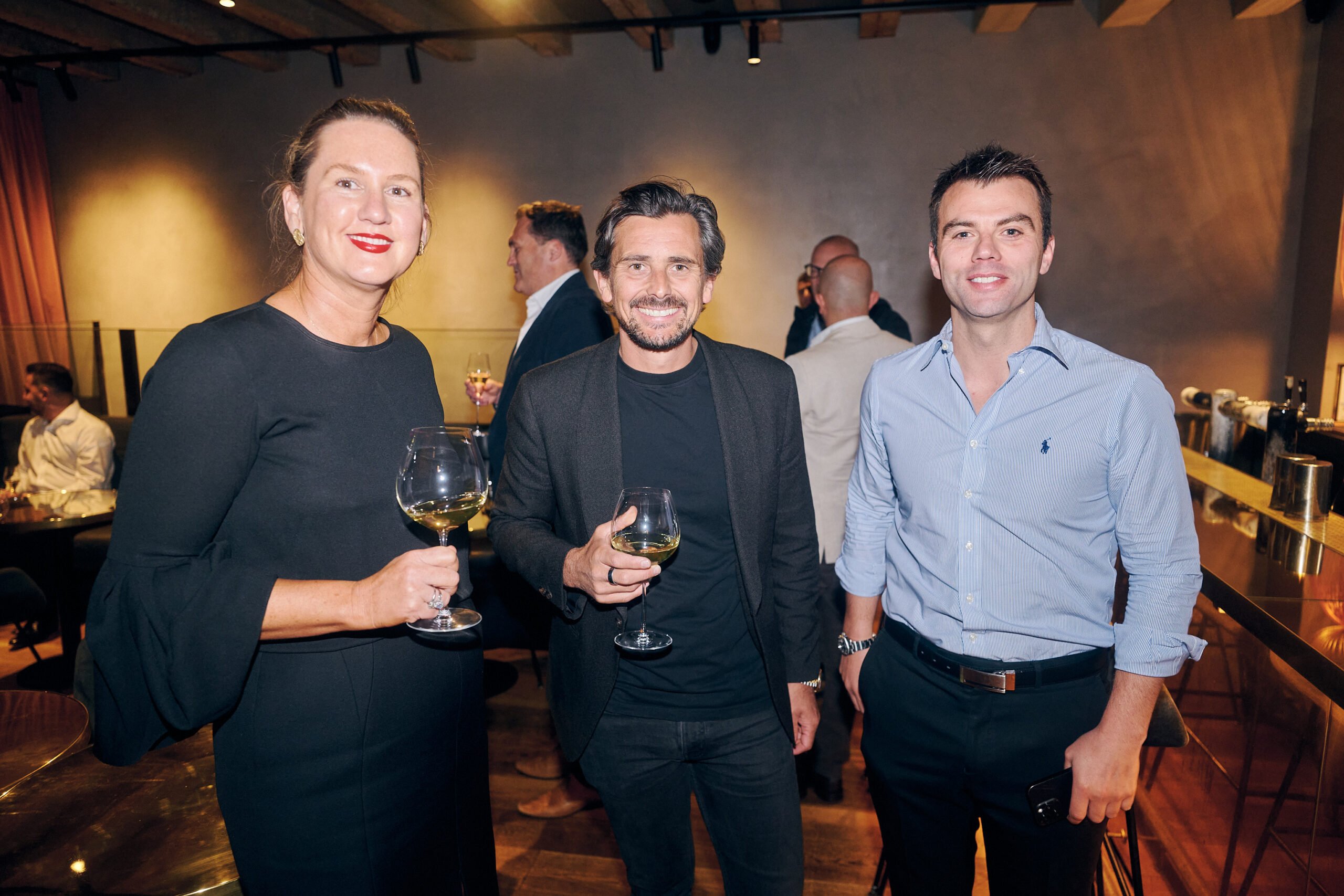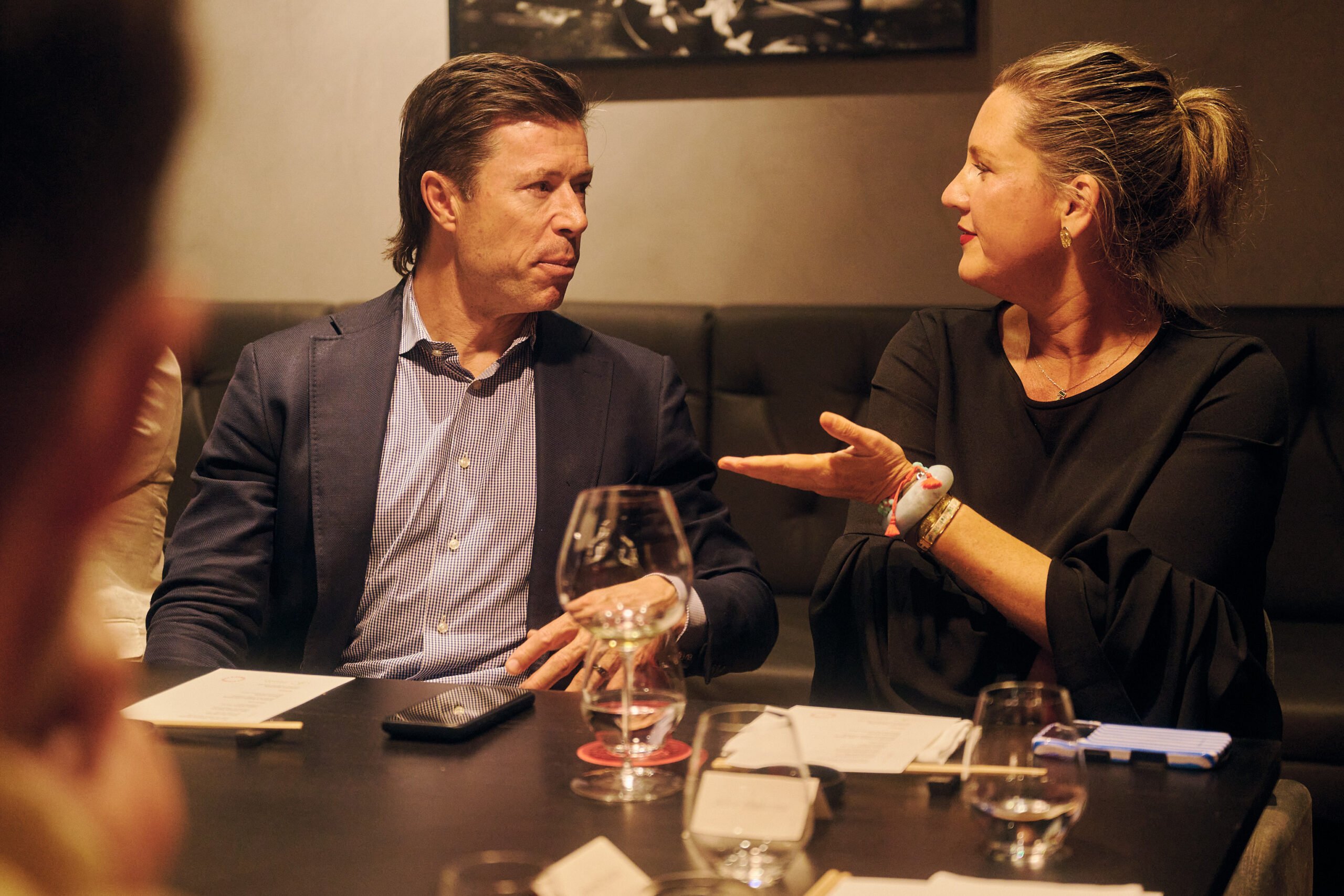



Opinion | Following a roundtable with Melbourne developers, David Di Marco Senior Manager – Market and Developer Partnerships reflects on the current sentiment and how the sector is navigating market conditions.
There’s a particular kind of confidence that only comes from having actually sat through the hard part of a cycle. It was on full display at a roundtable lunch I hosted in Melbourne, where principals from Neometro, Coff Property, Samuel Property, Monno, Spectre, Spyre Group, Lowe Living, Abadeen, Jacmax, Align Property Partners, Ratio and several other established developers gathered for a candid conversation about the state of the market — what’s working, what isn’t and what it actually takes to keep transacting when conditions are tough.
One line from the table captured the mood better than any market report could. As one developer put it, Melbourne appears to be at the bottom of the cycle, and many around the table expressed the view that conditions are likely to improve from here. It wasn’t blind optimism. It was the grounded, hard-won confidence of operators who’ve traded through a difficult run and are backing themselves to be well-positioned should market conditions improve over time.
A city with real structural advantages, even now
The room was clear about the challenges — construction costs, a subdued sales environment and a tighter finance market have tested even the most experienced local developers. But there was equally clear recognition of what Melbourne still has going for it. Ongoing planning reform, including the rollout of Activity Centre rezonings and precinct changes tied to the Suburban Rail Loop, is quietly reshaping what’s possible on well-located sites across the city, with renewed developer appetite for higher-density opportunities as a result.
One advantage came up again and again: builder capacity. Compared to other states, Melbourne developers pointed to a deep and competitive construction market — real choice among capable contractors, at a time when builder capacity has become one of the most closely watched risk factors in development finance nationally. In a market where that’s often scarce, it’s a structural edge that’s easy to take for granted from inside the city, but stood out clearly in a room full of people who compete and build, in this market every day.
It was also clear that November’s state election is front of mind for many in the industry. Around the table, there was broad discussion about the policy settings shaping the current development environment and the challenges facing the sector. While views varied, there was a shared interest in seeing greater certainty and support for investment and housing delivery in the years ahead. Whatever the outcome of the election, the topic is likely to remain an important focus for the industry.
Discipline matters in a slower market
Nobody in the room dressed up the sales environment. Conditions remain slower across the market and everyone acknowledged it plainly. However, a meaningful number of attendees are still transacting.
The consensus in the room was that this is precisely the kind of market that separates disciplined, well-capitalised developers from the rest. When conditions are easy, almost anyone can make a project work. When they’re not, the gap between true discipline and a marginal position shows up quickly — and it was clear that everyone intended to be on the right side of that gap.
Choosing capital partners with the same discipline
Without much prompting, the conversation turned to the state of private credit. The sector has grown rapidly in recent years. The clear preference across the table was for capital partners who have actually been tested — lenders with a genuine track-record of standing behind their borrowers through more than one cycle, not just those who’ve only ever operated in favourable conditions.
That distinction matters more now than it has in some time, and it’s a bar Pallas Capital take meeting seriously.
Our take
Rooms like this one are exactly why we host them. The conversation sharpens our own read on what’s happening on the ground, market by market — and it reinforces something Pallas Capital have built our entire approach around: being development-informed capital, not just a lender assessing a deal from a distance.
The developers around that table who are still transacting confidently aren’t doing it by luck. It’s disciplined structuring, realistic feasibility, and — in more cases than not — a capital partner who’s engaged with a project’s actual progress, not just its original plan.
That’s the role Pallas Capital seeks to play with every developer we work with, in Melbourne and across the markets we support. When a market is at the bottom of a cycle, the developers who navigate conditions most effectively are often supported by experienced advisers, consultants and capital partners who can adapt alongside them as circumstances evolve. It is a theme that emerged repeatedly throughout the discussion: the importance of relationships, flexibility and having the right support network in place when conditions are challenging.
Disclaimer: General information only. All forward-looking statements are provided as a general guide only. Pallas Capital’s lending activities are limited to writing loans for business and/or investment purposes only. The consumer credit protections in the National Credit Code do not apply.