


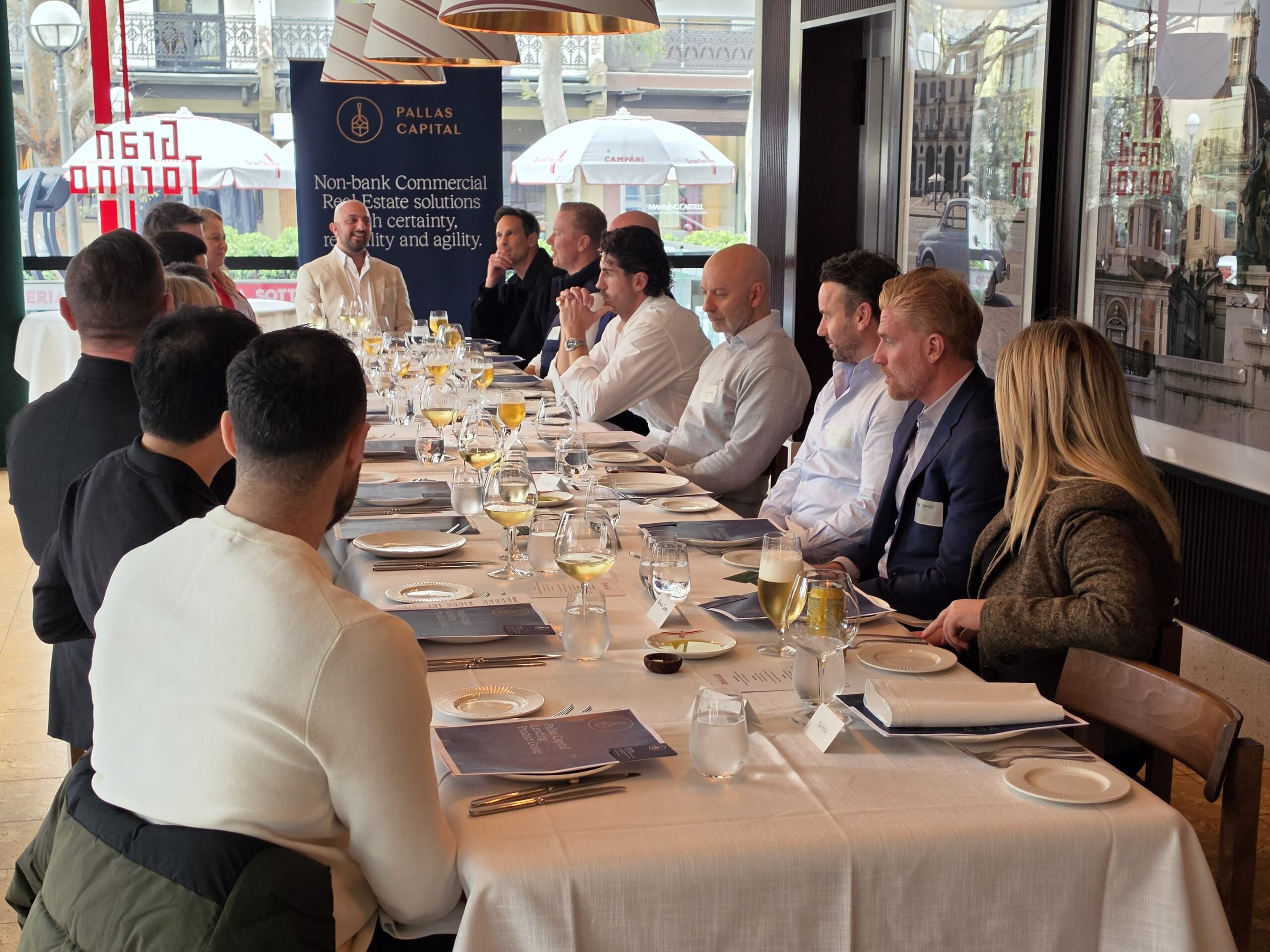
Opinion | Following a roundtable with NSW developers, David Di Marco Senior Manager – Market and Developer Partnerships reflects on how the sector is navigating sales conditions, planning challenges and project feasibility in the current market.
Last week I hosted a roundtable lunch with some of New South Wales’ most capable and notoriously private developers. I came armed with briefing notes and a list of questions drawn from calls with industry contacts. The kind of prep you do before sitting down with people who don’t often speak on the record.
Turns out I didn’t need much of it. I got as far as “thanks everyone for coming” and the room quietly took the lunch out of my hands and ran the meeting themselves. I’m not complaining. Nobody wants to be the person still clutching a printed agenda while the room has already moved on to what actually matters. When a group this experienced stops waiting to be asked and just starts talking, you get the real state of the market rather than whatever version survives a comms review.
Bruised, not broken
A good chunk of the two hours went on the familiar pressure points. Sales velocity, planning delays, the widening gap between what a project costs to deliver and what the market will actually pay for it. None of that’s news to anyone who’s tracked Sydney through this cycle. What was more interesting was the tone underneath it. Nobody in that room was feeling sorry for themselves. They were doing the maths out loud and adjusting as they went.
Developers have a reputation as the eternal optimists of the property world, the type who can look at a stalled site and a rising cost curve and still describe the outlook as “constructive.” What I actually saw at this lunch was something more useful. Optimism that had done its homework, rather than optimism as a personality trait.
Sales: take the deal in front of you
Nobody dodged the obvious issue. Buyer inquiry has thinned out and turning that inquiry into an actual signed contract has slowed even further. Higher-for-longer interest rates, tighter borrowing capacity and a more cautious owner-occupier and investor base have all played their part and everyone at the table had lived through some combination of them this year.
One operator put the current thinking plainly: keep moving. If an offer sits within a reasonable range of your number, take it. The alternative is holding stock, carrying finance costs and waiting on a market that isn’t showing any urgency to come back on your timeline, no matter how nicely you ask it to. Blunt, but it’s clearly shaping how deals are getting closed across the state right now.
Planning: faster on paper, slower in practice
NSW has pushed through a fair bit of planning reform over the past couple of years. Faster assessment pathways, changes to complying development, a broader push to unlock housing supply near transport corridors. On paper it’s meant to compress timelines. In the room, people were more sceptical. Speed one part of the system up and friction tends to reappear somewhere else. A referral here, a condition there, a submission from a resident three suburbs away who’s suddenly developed strong views on your shadow diagrams.
Nobody was saying reform has failed outright. More that structural delay behaves a bit like water. Press it in one spot and it just finds another way through. Developers are still budgeting for that, whatever the official processing-time numbers might say.
Everyone’s sharper and that’s the opportunity
Probably the most interesting thread of the afternoon was this: purchasers are more informed than they used to be, contractors are pricing with less room for error and developers themselves are underwriting deals on tighter assumptions than they were two years ago. The whole value chain has gotten more sophisticated.
Nobody at the table saw that as a threat. If anything it’s where the opportunity sits. A harder market tends to filter out the marginal players and reward the operators who kept their underwriting honest through the rise. The general feeling around the table was that the next eighteen months will separate the developers who stayed disciplined from those who didn’t and that sorting is already happening, quietly, while conditions are still tough.
Where that leaves things
Sydney is hard going right now. Nobody at that lunch pretended otherwise. But resilience isn’t a slogan for this group, it’s a track record. I’ll be watching closely to see what this pressure produces over the coming cycle, because markets like this one tend to be where the next batch of standout projects gets its start.
In the meantime, if you’re sitting on residual stock and would rather not spend another quarter “actively marketing” it to the same three buyers, it’s probably worth a conversation. And if that conversation ends up touching on development finance, it’s one we’re well placed to have. Not just the credit fundamentals, but a genuine, current read on where the market sits at street level, backed by relationships that count when things are tight.
Representatives joined from Fiducia, Thirdi Group, Clutch, Lanevick, Omira, Blanc Black, Dalcott, Astina Group, Metis, JLL, Willowtree Planning, Harper B and Pallas Capital.
If you would like to speak with David, email him at david.dimarco@pallascapital.com.au
Disclaimer: General information only. Pallas Capital’s lending activities are limited to writing loans for business and/or investment purposes only. The consumer credit protections in the National Credit Code do not apply.